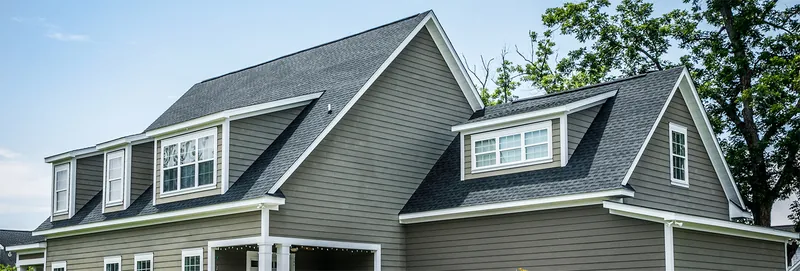
A roof asks for little, but what it does need comes with the seasons. Missouri gives it a full workout, with hot, humid summers, winters that swing above and below freezing, and spring storms that bring wind and hail.
Most of this checklist happens from the ground, from the attic or from a ladder at the gutter line. The roof surface itself is a job for a roofer, and the last section explains why.
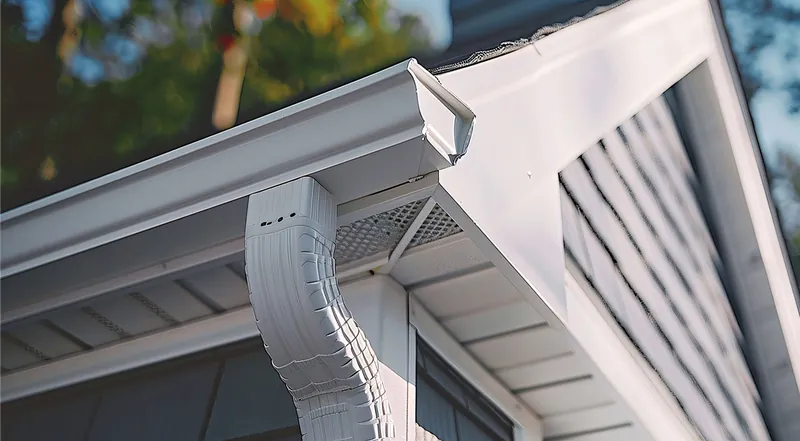
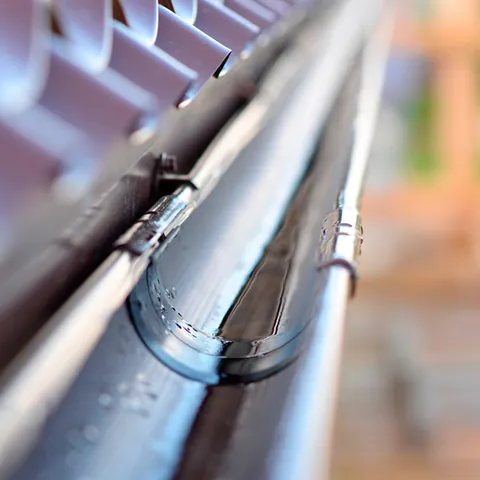
- Clean gutters and check downspouts in late fall and again in spring.
- In winter, watch for ice at the eaves and for damp insulation, rusty nail tips or stains in the attic.
- Trim branches back from the roof and deal with moss, but never pressure wash shingles.
- After big storms, walk the yard and take photos before anyone climbs up.
- Stay off the roof. Ladder work at the gutter line is the limit for most homeowners.
The checklist at a glance
| Season | What to check | Who should do it |
|---|---|---|
| Fall | Gutters and downspouts after the leaves drop; branches over the roof; attic stains before winter | You, from the ground or a ladder; an arborist for big limbs |
| Winter | Ice along the eaves; damp insulation, rusty nail tips or drips in the attic | You, from the ground and the attic |
| Spring | Shingles, flashing and vents through binoculars; gutters again; the attic after heavy rain | You, from the ground; a roofer for anything on the roof |
| Summer | Attic heat and airflow; clear soffit vents; algae and moss | You, from the attic and the ground; a roofer for cleaning |
| After big storms | A walk around the yard, photos, a tarp over any opening | You, from the ground; a roofer for the inspection |
Fall: gutters, downspouts and trees
Fall is the main gutter season around St. Louis. The Asphalt Roofing Manufacturers Association (ARMA) advises keeping gutters and the roof clear of leaves, needles, twigs and other litter so water drains freely. Clean once the trees are bare, and plan a second pass in spring.
While you are at it:
- Run water through each downspout and make sure it empties well away from the house. An extension is an inexpensive fix if it does not.
- Look for gutter runs that sag, pull away from the fascia or drip at the seams. Those need gutter repair, not just cleaning.
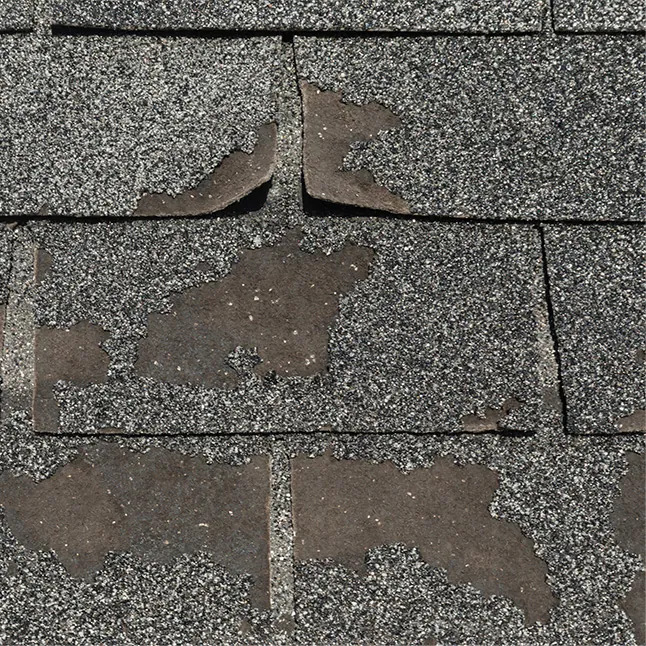
- Note any heap of granules at the outlets. A little is normal, but steady piles from an older roof are a sign of wear.
- Look up at the trees. ARMA says branches that touch the roof scuff the surface, and overhanging limbs shade the roof and drop debris that holds moisture.
- Before winter, take a flashlight into the attic and look for stains on the underside of the roof deck.
Hire an arborist for big limbs over the roof. The International Society of Arboriculture says tree work should be done only by people trained and equipped to work safely in trees, and OSHA's ladder guidance tells you to look for overhead power lines before you handle a ladder.
Winter: ice dams, attic moisture and ventilation
St. Louis Lambert International Airport averages about 17 inches of snow a year and about 85 nights at or below freezing, by NOAA's 1991 to 2020 normals. When snow does sit on a roof here, the conditions for an ice dam can come together. University of Minnesota Extension explains how they form: snow melts on the part of the roof warmed from below, runs down to the colder eaves and refreezes into a ridge of ice that backs water up under the shingles.
The fix starts inside. Extension's specialists trace ice dams to heat escaping from the house into the attic, and say that in many homes the biggest path is warm air leaking through ceiling openings such as light fixtures. Their order of operations is to seal the air leaks first and then add insulation, and ARMA adds that good ventilation may reduce ice damming.
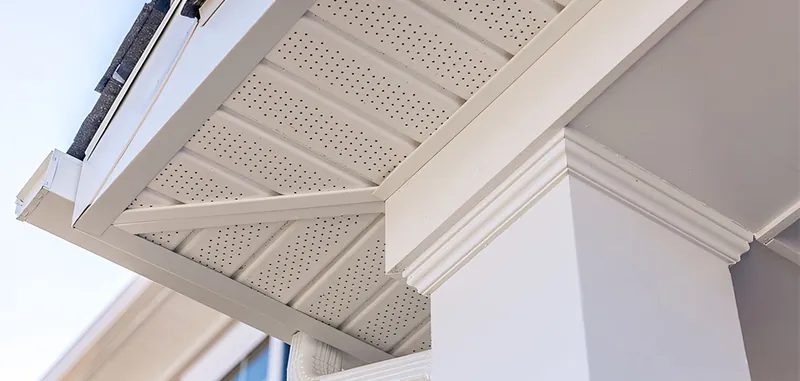
Attic ventilation has code minimums. The 2021 International Residential Code calls for net free vent area of at least 1/150 of the vented attic space, or 1/300 when the vents are split between high and low as the code describes, and it requires that insulation not block the eave vents. ARMA recommends a balanced system, with intake vents providing 50 to 60% of the open area and exhaust vents 40 to 50%.
On a cold day in the attic, look for:
- Rusty nail tips poking through the roof deck.
- Damp, matted or compressed insulation.
- Insulation pushed against the soffit vents.
- Bathroom fans that vent into the attic instead of outdoors.
InterNACHI points to each of these as signs of trapped moisture. If ice does build up, a roof rake used from the ground can pull snow off the lower few feet of roof, though Extension cautions that raking may damage roofing. Do not climb up to chip ice, and if water is coming in, call for emergency roof repair. If your eaves have no intake vents at all, vented soffit is the usual fix.
Spring: a ground-level roof check
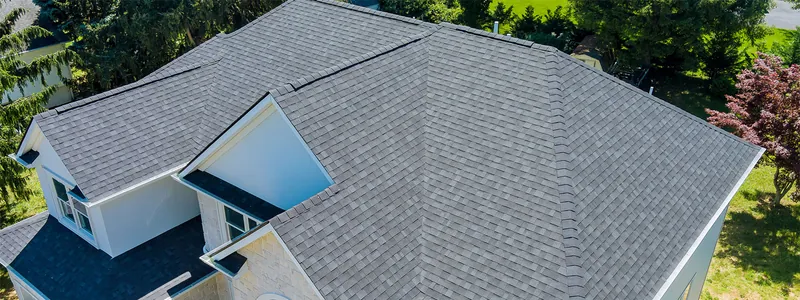
Spring is the time for a careful look, ahead of the season's severe storms. ARMA recommends starting from the ground or an upstairs window with binoculars, and hiring a professional for anything you cannot see safely from there.
From the ground, look for:
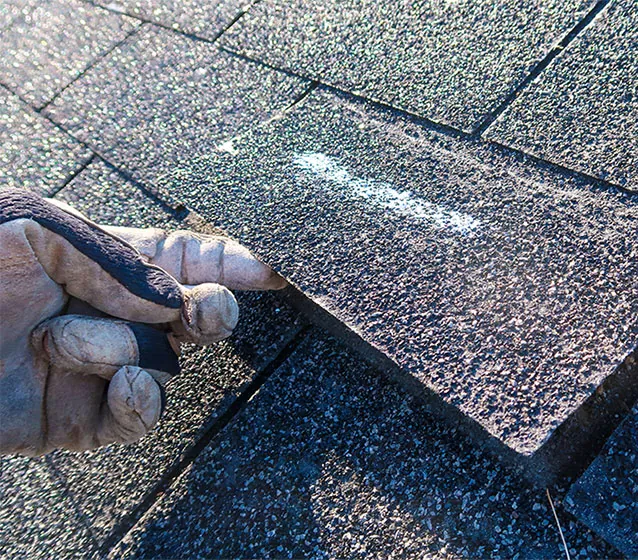
- Missing, curled or cracked shingles, and dark bald patches.
- Flashing that has lifted or pulled away where the roof meets the chimney, walls or dormers.
- Dented, cracked or loose vent caps and pipe flashings.
- Gutters that sag or overflow during rain.
From the attic, after a heavy rain, check the underside of the deck around the chimney, vents and skylights. ARMA calls flashings the most vulnerable points on a roof, so that is where to look first. The building code requires flashing at wall intersections, changes in slope and roof openings, plus a cricket (a small ridge that turns water aside) behind any chimney more than 30 inches wide.
Caulk or roofing cement smeared over a joint can slow a leak for a while, but it is not a substitute for flashing that is properly installed. Have a roofer repair the flashing itself. Spring is also the season for a second gutter cleaning.
Summer: heat, ventilation, algae and moss
Lambert averages about 47 days a year at 90°F or hotter. ARMA says good ventilation moves that heat out of the attic, which helps prolong the roof's service life and reduces the energy used for cooling. If the attic feels stifling with no airflow, or the soffit vents are blocked, it is worth a closer look.
Black or brown streaks on shingles are usually algae. ARMA's technical bulletin says algae grows in all regions of the U.S., especially where it is warm and humid, and its moss and algae guidance says there is no scientific evidence that algae damages asphalt shingles.
Moss is different. It favors north-facing slopes that stay damp and the shade under overhanging branches, and ARMA says it can lift shingle edges and push water into the deck.
ARMA's cleaning method is a bleach-and-water solution applied gently and rinsed with low-pressure water, but it warns that the process makes a roof slippery and encourages hiring professionals. Never use a pressure washer, brush or broom on shingles, because scrubbing and high pressure knock granules loose. If streaks bother you, algae-resistant shingles are an option at your next reroof.
After big storms
When a severe storm has passed:
- Stay clear of downed power lines, and wait for daylight to look around.
- Walk the yard. Look for shingles on the ground, dented gutters and downspouts, torn window screens and dented air conditioner fins.
- Photograph damage to the house, cars and belongings before you clean up, as the Missouri Department of Commerce and Insurance recommends.
- Cover any opening with a tarp to keep water out, and keep the receipts.
- Get a roof inspection before you file a claim or sign with anyone. The department advises being suspicious of strangers who offer repairs and not paying the whole bill in advance.
Hail leaves clues that are easy to miss from the yard. Our guides to what to do after a hailstorm and signs of hail damage go into more detail.
What to do yourself, and what to leave to a roofer
Ladders send a lot of people to the emergency room. The U.S. Consumer Product Safety Commission estimates that injuries involving ladders and stools led to about 273,000 emergency department visits in 2024.
If you use a ladder for gutters, follow OSHA's basics:
- Inspect the ladder first, and use it only on stable, level ground.
- Set the base about a quarter of the ladder's working length out from the wall.
- Keep three points of contact (two hands and a foot, or two feet and a hand) and face the ladder.
- Do not stand on the top three rungs of a straight or extension ladder.
- Look for overhead power lines before you raise the ladder, and keep metal ladders away from them.
Stay off the roof itself. ARMA's advice to homeowners is not to climb on the roof at all, because it is dangerous and can damage the shingles, and its algae bulletin recommends that only trained professionals walk or work on roofs. University of Minnesota Extension says the same about winter roof work, warning that anyone on the roof risks injury.
Good jobs for a homeowner:
- Ground and binocular checks of the roof.
- Attic checks, stepping only on the framing.
- Gutter cleaning on one-story eaves.
- Downspout extensions, and keeping insulation clear of the soffit vents.
Jobs for a professional:
- Anything on the roof surface, including moss and algae cleaning.
- Flashing and sealant work.
- Large tree limbs and anything near power lines.
- Two-story gutters and any storm damage assessment.
Correll Roofing Co. offers gutter cleaning and repair, plus free roof inspections documented with photos, so the climbing can stay with us. See gutters and downspouts and roof inspection, or contact us.
- Spring Roof Inspection a Must for Property Owners, Asphalt Roofing Manufacturers Association
- Why Ventilation is Important, Asphalt Roofing Manufacturers Association
- Frequently Asked Questions, Asphalt Roofing Manufacturers Association
- Algae and Moss Prevention and Cleaning for Asphalt Roofing Systems, Asphalt Roofing Manufacturers Association
- Algae Discoloration of Roofs technical bulletin, Asphalt Roofing Manufacturers Association
- Dealing with and preventing ice dams, University of Minnesota Extension
- 2021 International Residential Code, Chapter 8 Roof-Ceiling Construction, International Code Council
- 2021 International Residential Code, Chapter 9 Roof Assemblies, International Code Council
- Mastering Roof Inspections: Attic Area Roof Inspection, InterNACHI
- What Your Attic Reveals: The Truth About Your Roof's Hidden Health, InterNACHI
- Summary of Monthly Normals 1991 to 2020, St. Louis Lambert International Airport, NOAA National Centers for Environmental Information
- Portable Ladder Safety QuickCard, Occupational Safety and Health Administration
- Consumer Product-Related Injuries and Deaths in the United States (2024 injuries), U.S. Consumer Product Safety Commission
- Why Hire an Arborist?, International Society of Arboriculture
- Checklist to Spot Roof Hail Damage, Texas Association of Counties
- Storm recovery guidance for Missourians (July 2026), Missouri Department of Commerce and Insurance
- Guidance for Missouri consumers affected by storms, Missouri Department of Commerce and Insurance